November 7, 2025
In 2025, the Regional District of the North Okanagan (RDNO) celebrates its 60th anniversary. It was officially incorporated on November 9, 1965, under the Municipal Act (now the Local Government Act) to help communities work together on matters that crossed municipal boundaries. The idea of regional government was relatively new at the time, introduced across British Columbia in response to postwar growth and the need for more coordinated services.
The RDNO brought together the City of Armstrong, District of Coldstream, City of Enderby, Village of Lumby, Township of Spallumcheen, City of Vernon, and Electoral Areas B through F. It became one of 27 regional districts in the province, representing both urban and rural interests in shared decision-making. And for those who recall hearing the district referred to as “NORD,” that nickname has been in use since at least 1966, though the reason for its origin remains a small local mystery. (You can read more about that bit of name-game history here.)

Early on, the regional district focused on practical foundations such as land-use planning. In 1966, the board adopted planning as a regional function, giving the district authority to make zoning and subdivision bylaws in unorganized areas. Waste management quickly became another priority.
Environmental stewardship also emerged as an early theme. In 1974, the board created a Green Belt Committee to identify sites worthy of protection. Its initial recommendations included familiar local landmarks such as Cools Pond, Turtle Mountain, and Black Rock.
The 1980s brought both evaluation and modernization. A provincial review in 1985 found the district’s work to be generally strong while identifying a few areas for improvement. In 1987, a local referendum paved the way for the introduction of the 911 emergency telephone number, replacing the long-standing “dial 0 for operator” system.

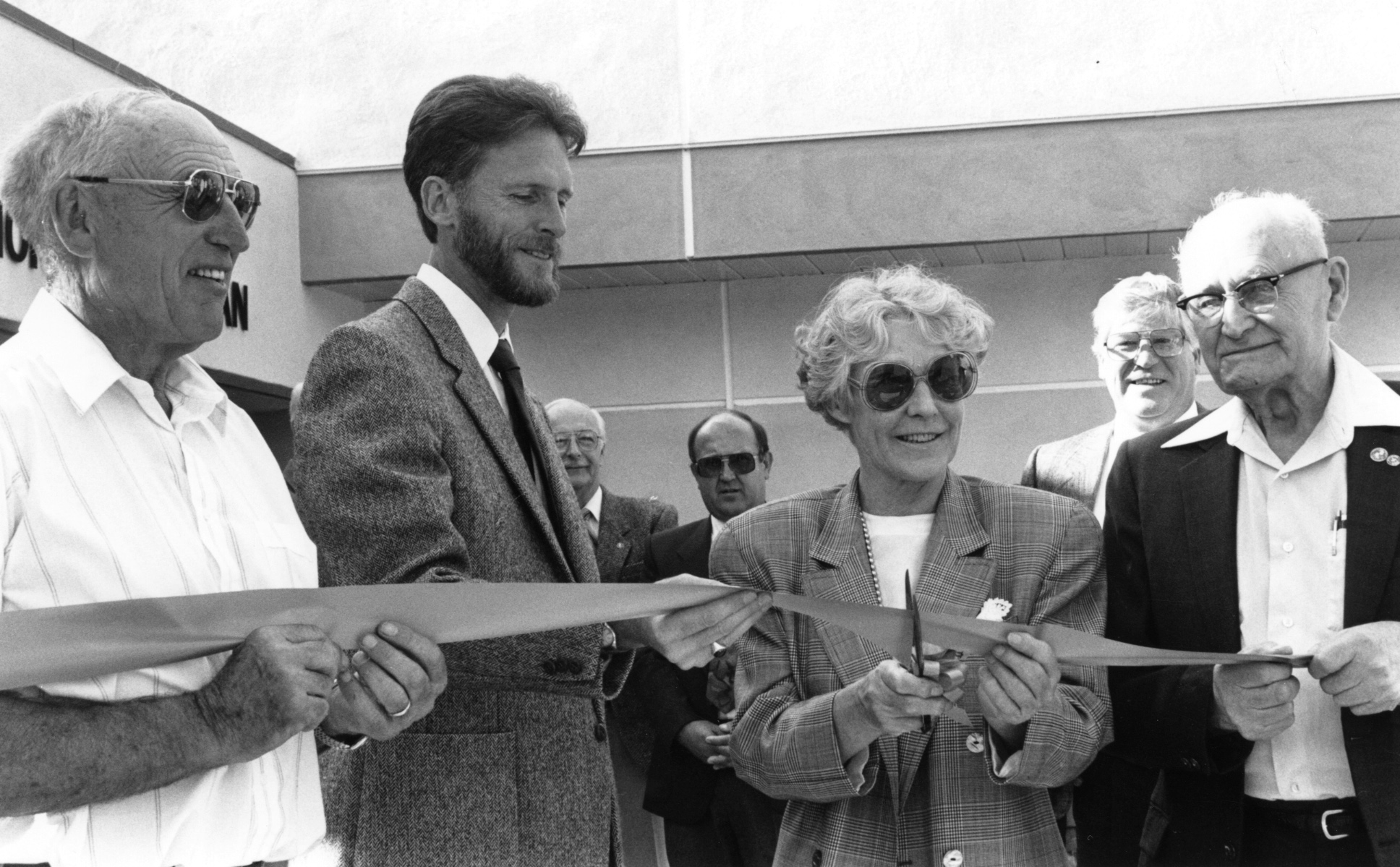
By 1990, the RDNO had outgrown its original office space at 2903 35th Avenue and moved into a new facility at Highway 6 and Aberdeen Road, completing the project under budget thanks to well-timed construction tenders. That same year, the district developed a regional recycling plan through the North Okanagan Recycling Committee. A year later, it expanded its community programming to include literacy courses, sports and gymnastics, babysitting classes, and safety training, reflecting a growing focus on community well-being.
As the district’s work in recreation grew, its role in supporting arts and culture also developed. The RDNO became a key partner in maintaining several of the region’s cultural facilities, including the Vernon Public Art Gallery, the Vernon and District Performing Arts Centre, the Museum & Archives of Vernon, and the Vernon Community Arts Centre.
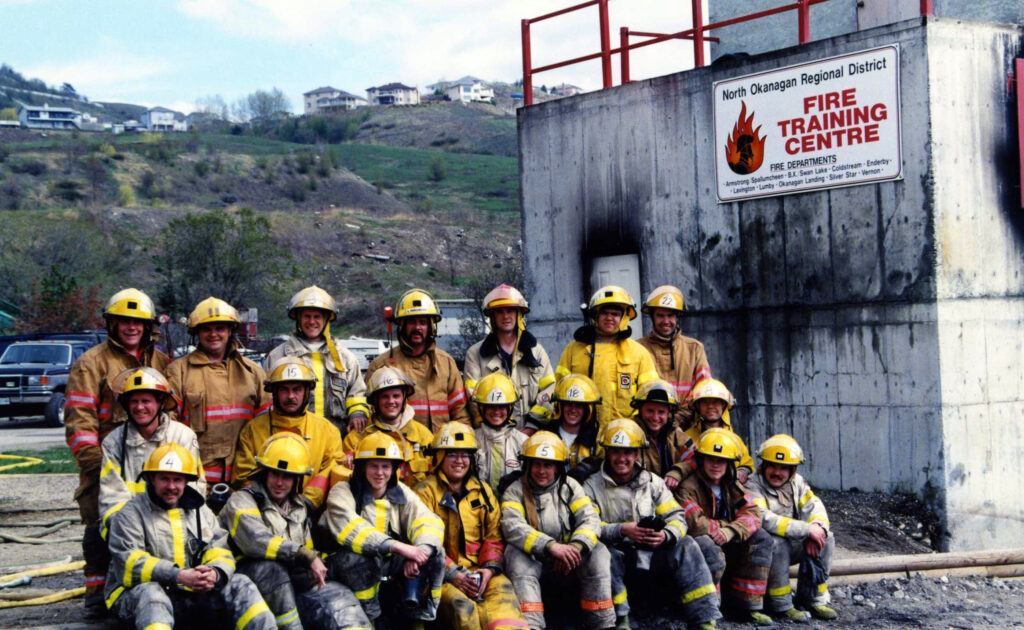
Today, the RDNO provides more than 70 services to residents, including Greater Vernon Water and regional solid waste management. Regional governance may not always make headlines, but for 60 years, the RDNO has played a steady role in shaping how North Okanagan communities grow, connect, and plan for the future.
Archives Manager, Gwyneth Evans