
June 12, 2026
As summer approaches, many families begin planning trips both near and far. The same was true more than 125 years ago, although the experience of travel looked very different. A set of records preserved in the Vernon Archives offers a vivid glimpse into what a regional journey could look like at the turn of the 20th century.
In 1901, Mary Ellen Cameron arrived in Vernon from Nova Scotia. She was the niece of Vernon’s first mayor, W. F. Cameron, who had recently lost his wife Clara under tragic circumstances. Mary, and later her sister Marion, travelled west to support their uncle during this difficult period. Mary remained in Vernon for about a year, and while her cross‑country journey was significant in its own right, it was a local adventure that left the most detailed record.
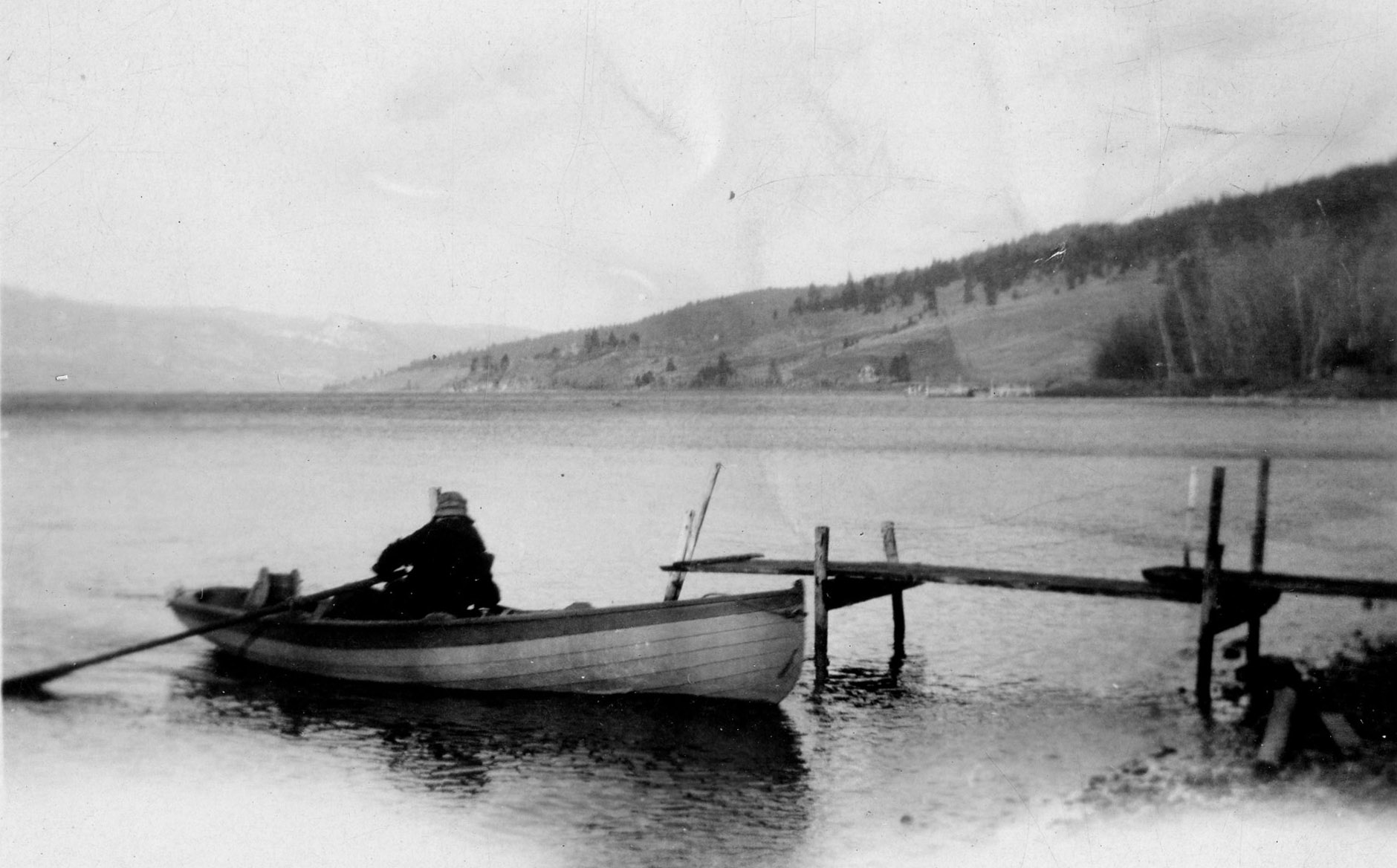
During the summer of 1901, Mary joined her uncle, his stepdaughter Rose, and Rose’s three‑year‑old daughter Hattie on a boating excursion down Okanagan Lake, travelling from Vernon to Peachland. The group departed Vernon on the morning of August 3 in a horse‑drawn carriage, which carried them and their supplies to Okanagan Landing—a trip that took two and a half hours. They camped at the Landing that night and ate freshly caught fish for dinner.
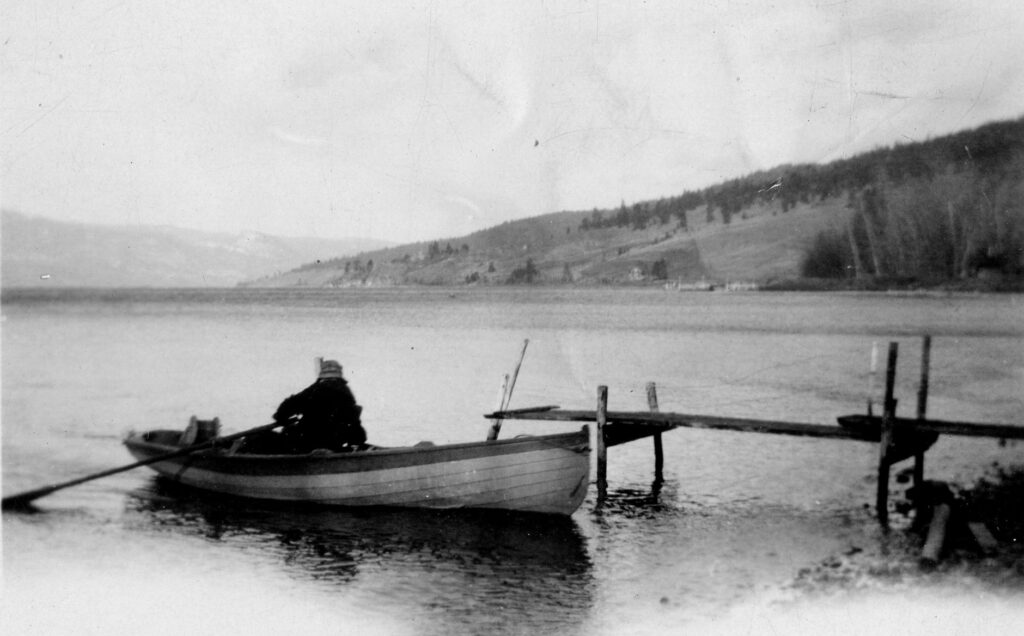
Mary recorded that she slept poorly, finding the “bush bed” (a simple outdoor bed made from branches and natural materials) far from comfortable. After another meal of fish the next morning, the group set out in a rowboat and made their first major stop at Short’s Point, now part of Fintry Provincial Park. Several more stretches of rowing and shoreline stops followed, along with another restless night, before they camped across the lake from Kelowna on August 5. A brief visit into Kelowna for steaks, fruit, claret, and lime juice seemed to lift everyone’s spirits.
The morning of August 6 began with an unexpected visitor: a porcupine that startled the group awake before quickly disappearing. Later that day, they rented a team of horses and drove from Kelowna to the Mission area, taking in views of orchards and tobacco barns. Mary noted that young Hattie was especially delighted by the horses.
The following day brought them about 16 kilometres farther down the lake, where they spent time reading, swimming, and visiting friends who lived nearby. The family warned them about rattlesnakes in the area, prompting the travellers to abandon their campsite for the safety of the family’s wharf that night.
By August 8, the group reached Peachland, marking the end of their excursion. Mary returned to Nova Scotia the following year, married a local bookkeeper, and raised three children. She died in 1954. In 1993, her granddaughter donated copies of Mary’s written account of the journey to the Vernon Archives, preserving this glimpse into early Okanagan travel for future generations.
Archives Manager, Gwyneth Evans