June 21, 2026
June 21, 2026, marks the 30th anniversary of National Indigenous Peoples Day. The day was formally established in 1996 by Governor General Roméo LeBlanc, following years of advocacy and support from the Assembly of First Nations (1982), the Sacred Assembly (1995), and the Royal Commission on Aboriginal Peoples (1995). It is an opportunity to recognize the histories, cultures, and contributions of First Nations, Inuit, and Métis peoples across Canada.
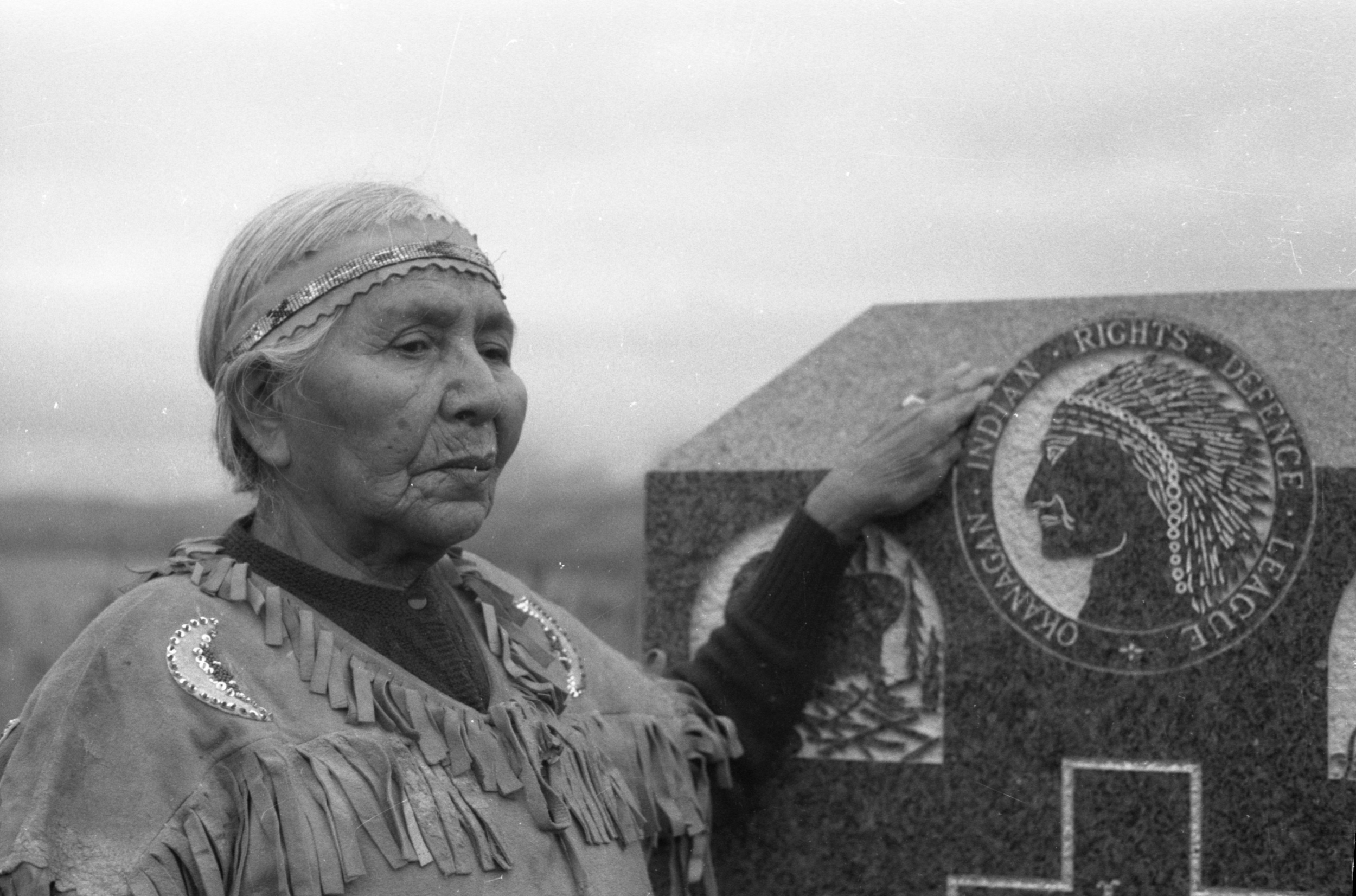
National Indigenous Peoples Day also has relevance within local archives. Records containing Indigenous content must be handled with respect for their cultural significance, but also in ways that ensure they are as discoverable and accessible as any other part of the collection. Visitors searching for local Indigenous history sometimes find that certain materials are difficult to locate—not because the records are absent, but because the language used to describe them decades ago no longer aligns with current terminology.
Language evolves over time, and terms once used to describe Indigenous peoples in both records and archival discovery tools range from outdated and inaccurate to offensive. Today there is greater awareness of the need for terminology that is both respectful and precise. In any long‑standing archival collection, it is also important to consider the perspective of the record creator. A key question is whether a document reflects an authentic syilx viewpoint or whether it presents Indigenous history through a settler lens. As part of ongoing archival stewardship, the Vernon Archives is gradually updating older descriptions to improve accuracy and discoverability while preserving the historical context of the original records.
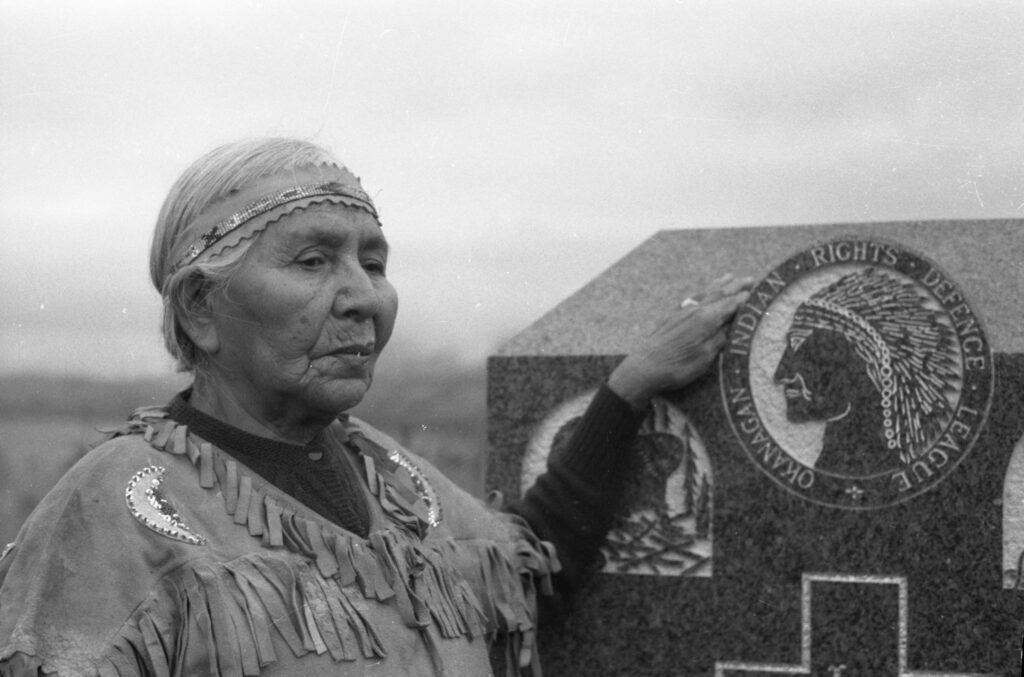
The Vernon Archives was established in 1950, during a period when public institutions primarily reflected settler perspectives. As a result, some descriptions created in earlier decades remain in place and do not reflect current understanding. This can make important Indigenous materials difficult to locate through modern search tools. When records are hard to find or described inaccurately, the public receives an incomplete picture of the region’s history. Improving description practices benefits syilx community members and anyone seeking a fuller understanding of the North Okanagan.
In recent years, the Vernon Archives has also restricted access to certain materials. While the idea of restricting records may sound unusual, it is a standard archival practice used for many types of sensitive content, including materials that contain personal, harmful, or defamatory information. Some local records include Indigenous cultural knowledge that is traditionally shared only within specific communities. In keeping with cultural protocols, these materials are restricted to Indigenous users to protect their significance and ensure they are accessed in appropriate contexts. These practices help ensure that the archive remains both respectful and accurate in how it preserves the region’s history.
National Indigenous Peoples Day serves as a reminder that thoughtful description, respectful handling, and appropriate access practices strengthen the archive for all users. By improving how Indigenous materials are identified, cared for, and made discoverable, archives help create a more complete and inclusive record of the region’s past.
Archives Manager, Gwyneth Evans