
July 25, 2026
When conducting historical research, it is often surprising how easily modern-day parallels emerge. At the end of July and into early August 1951, the North Okanagan and Shuswap regions endured a period of intense heat and drought. Temperatures, much like those experienced over the past few weeks, regularly reached between 32 and 36 degrees Celsius.
The Vernon News reported that the prolonged hot, dry weather shortened the growing season for many crops and flowers. Much of the raspberry crop was scorched on the canes before it could be harvested, while farmers saw the second crop of alfalfa delayed by the lack of moisture. Hay yields were also reduced, and even potatoes—presumably protected in their cool, earthen beds—suffered from the relentless heat.
Communities across the region responded with water restrictions. Residents were asked to forgo watering lawns and flowerbeds so that the limited supply could be reserved for vegetable gardens. In Enderby, however, many gardeners noted that the restrictions were less burdensome than in previous droughts. Recent improvements to the town’s water system had increased water pressure, making sprinklers more efficient and allowing available water to go further. Vernon faced a more serious situation. Its reservoir was reportedly dropping by six inches each day, prompting concerns that even drinking water might eventually need to be rationed.
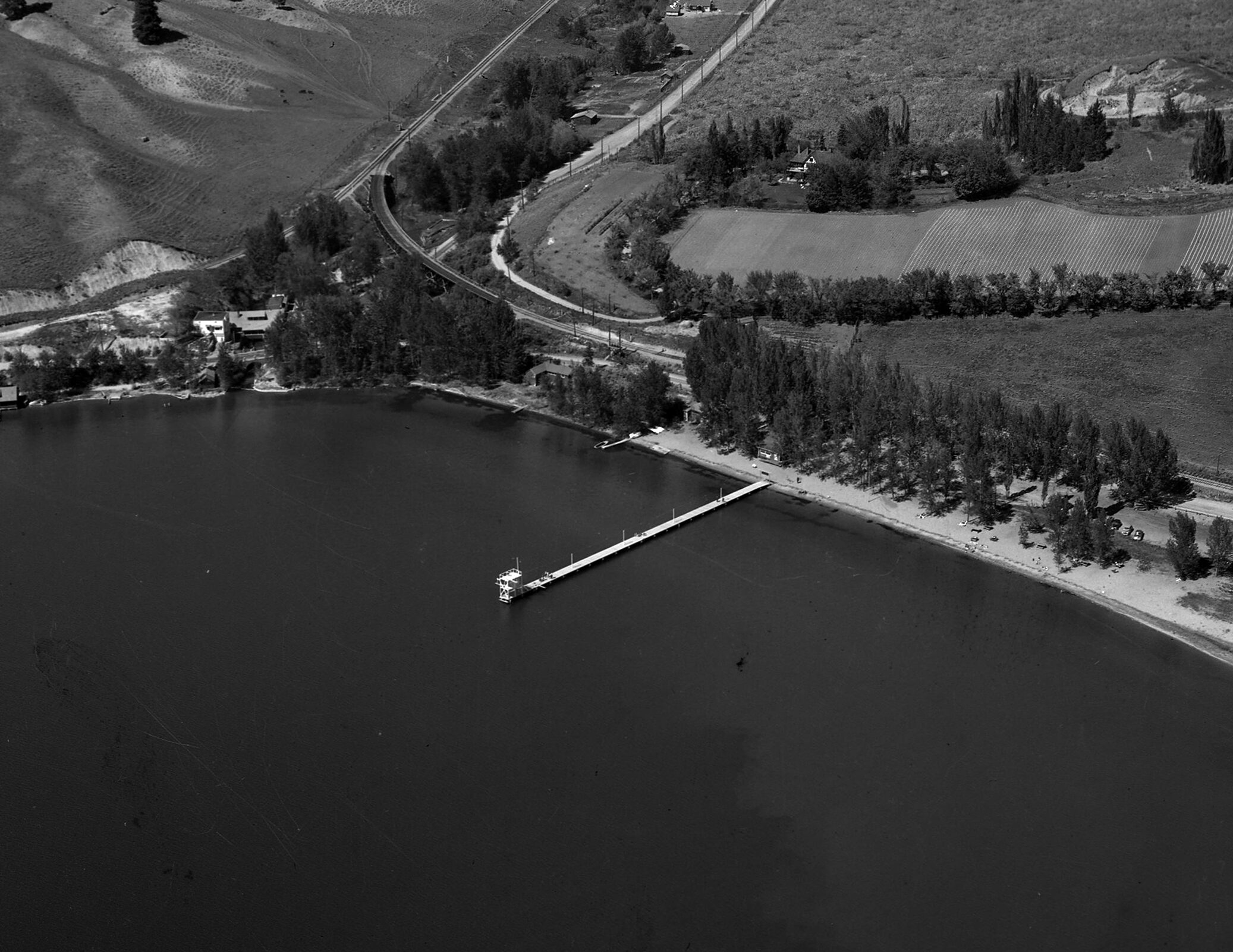
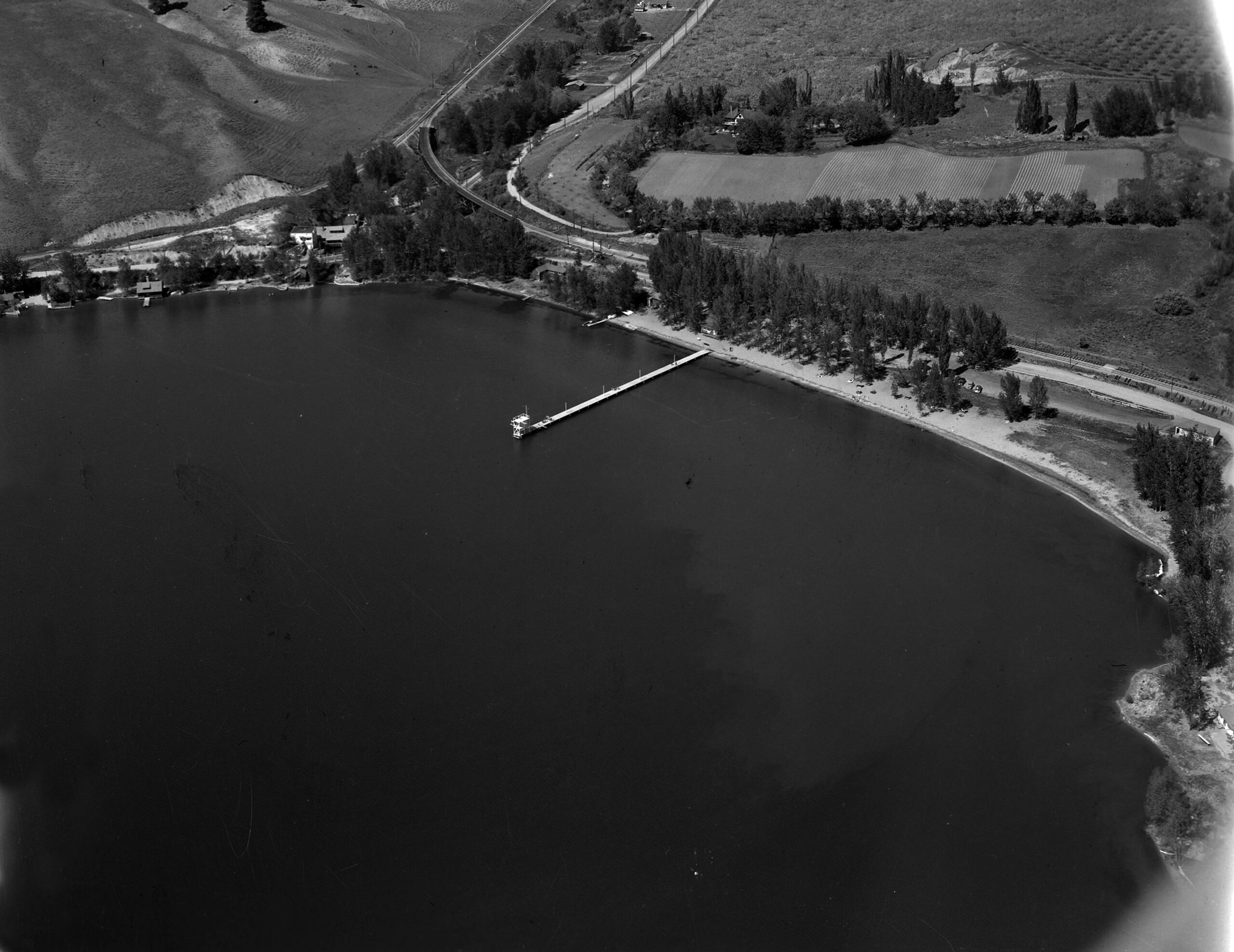
The hot weather also brought families to Kal Beach, where enrollment in swimming lessons surged to 140 children by mid-July. While children enjoyed the opportunity to escape the heat, the dry conditions continued to create challenges across the region. A series of summer storms made fishing on Okanagan Lake more difficult, while lightning and parched forests contributed to several fires near Sicamous. Along Trinity Valley Road, a grass fire believed to have been started by a discarded cigarette butt was stopped before it could spread when a quick-thinking passerby sacrificed his twelve-pack of beer to douse the flames.
As if the heat were not enough to fray local nerves, this was also the summer Vernon introduced parking meters for the first time. Fortunately for motorists, city officials took a lenient approach during the first few weeks, issuing few fines while residents adjusted to the new system.
Relief finally arrived on August 5, when rain fell across the North Okanagan for the first time in weeks. Cooler temperatures and much-needed moisture gradually eased the drought, bringing welcome relief to a parched landscape—and to the people enduring a hot Okanagan summer.
Archives Manager, Gwyneth Evans