
January 31, 2026
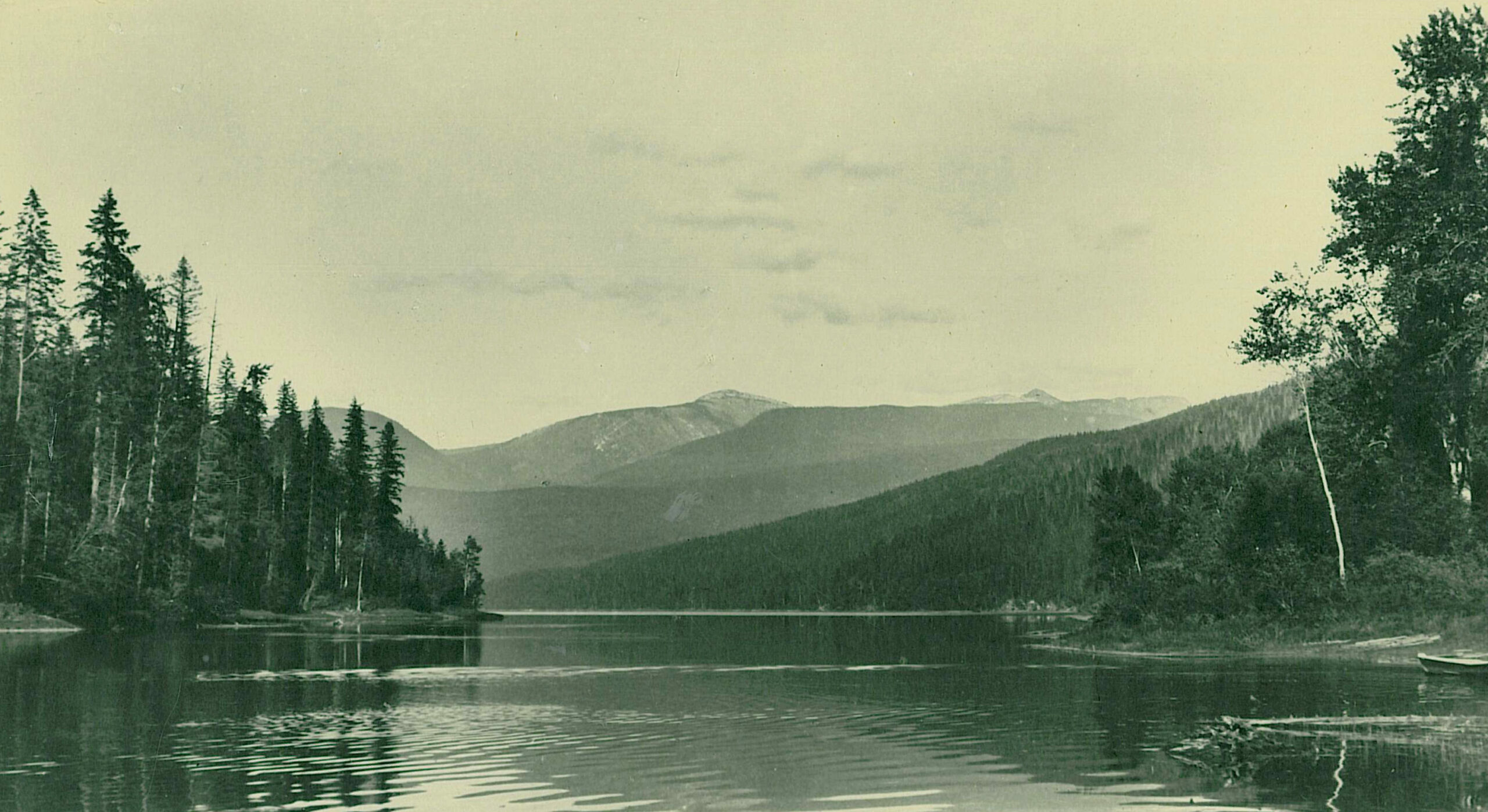
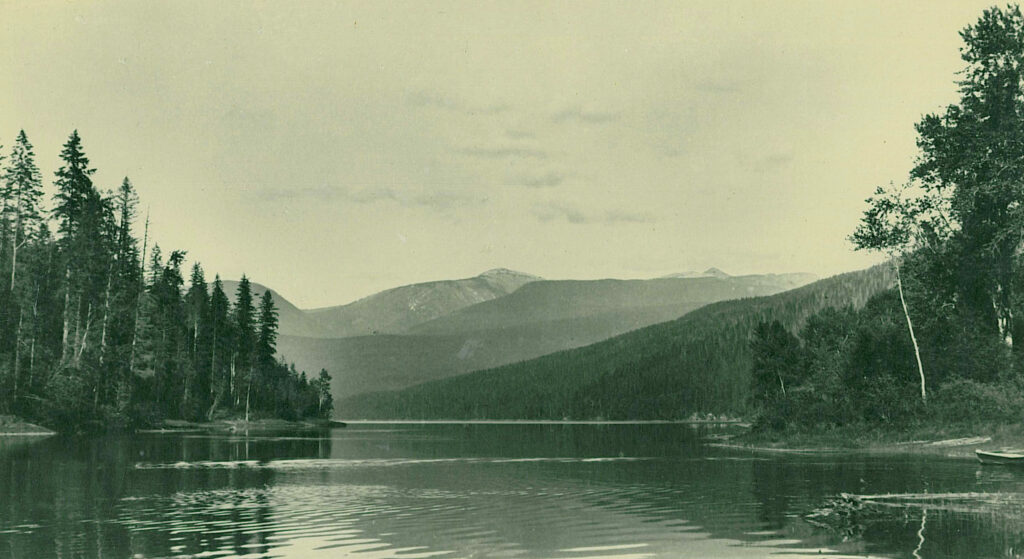
Sugar Lake is a familiar name in the North Okanagan today, but its English origin comes from a small and somewhat uncertain story. Like many place names in the region, it reflects a moment in colonial history, rather than the much older presence of Indigenous Peoples, who would have had their own name for the lake long before settlers arrived.
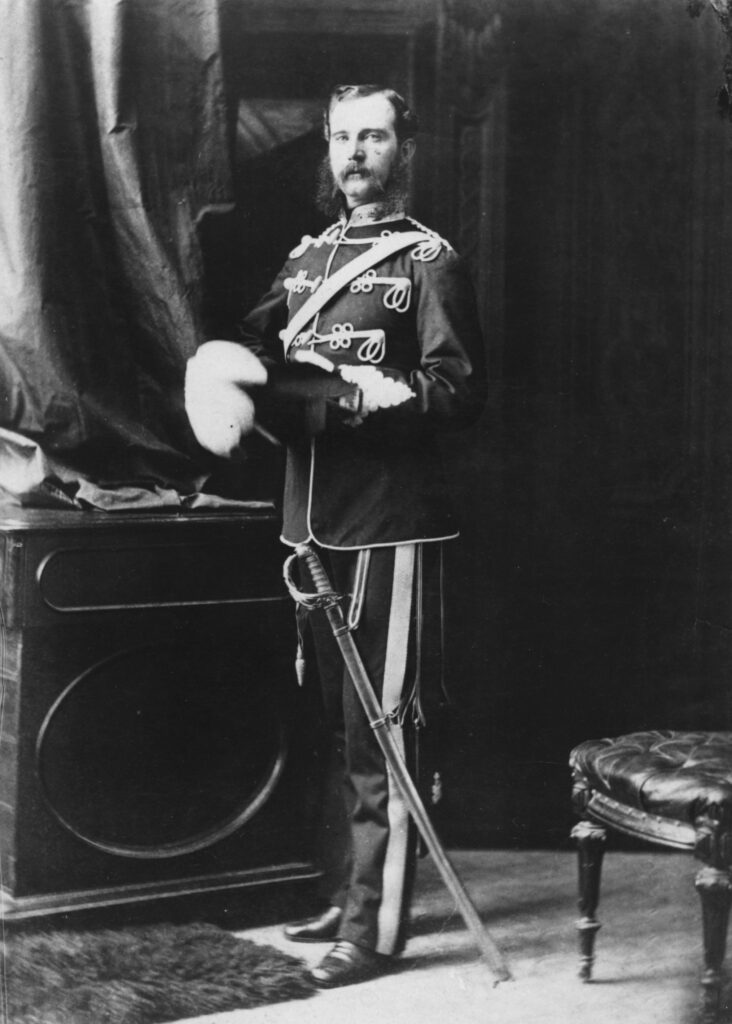
The recorded name is often linked to Charles Frederick Houghton (1839–1898). Shortly after taking up a pre-emption in what would later be called Coldstream, Houghton was authorized by the the government of the Colony of British Columbia to explore through the Gold Range toward the Columbia River mines. One of the main goals of these expeditions was to locate a possible route for a trail or road from Cherry Creek to the Arrow Lakes. The journeys took place in the fall of 1864 and the spring of 1865.
Houghton was accompanied by Vincent Duteau, James Phillips, and an unnamed Indigenous man for part of the route between Okanagan Lake and Cherry Creek. Duteau lived in the area that would later be named Lavington and gave his name to Duteau Creek, while Phillips was a rancher in White Valley.
According to local tradition, Sugar Lake received its name during one of these expeditions when an animal carrying a package of sugar went too deep into the water. The sugar dissolved, and the mishap supposedly inspired the lake’s English name.
However, whether this is the true origin is unclear. Houghton did not mention such an incident in any of his letters or reports to the colonial government. The story may be accurate, or it may have developed later as a memorable explanation for an unusual name.
Even so, it remains an interesting example of how place names often sit somewhere between recorded history and local legend.
Archives Manager, Gwyneth Evans