
December 5, 2025
The development of postal service in Vernon was anything but straightforward. Before schedules were reliable and routes were settled, local postmasters were left to juggle growing communities, evolving transportation networks, and a steady increase in mail.
The Okanagan’s first post office opened at what is now O’Keefe Ranch in 1872, with Cornelius O’Keefe serving as postmaster. At the time, the office was called “Okanogan,” a spelling that was not officially changed to “Okanagan” until 1905. As communities in the valley expanded, the demands on the postal system did as well and it was not long before Vernon required a post office of its own.

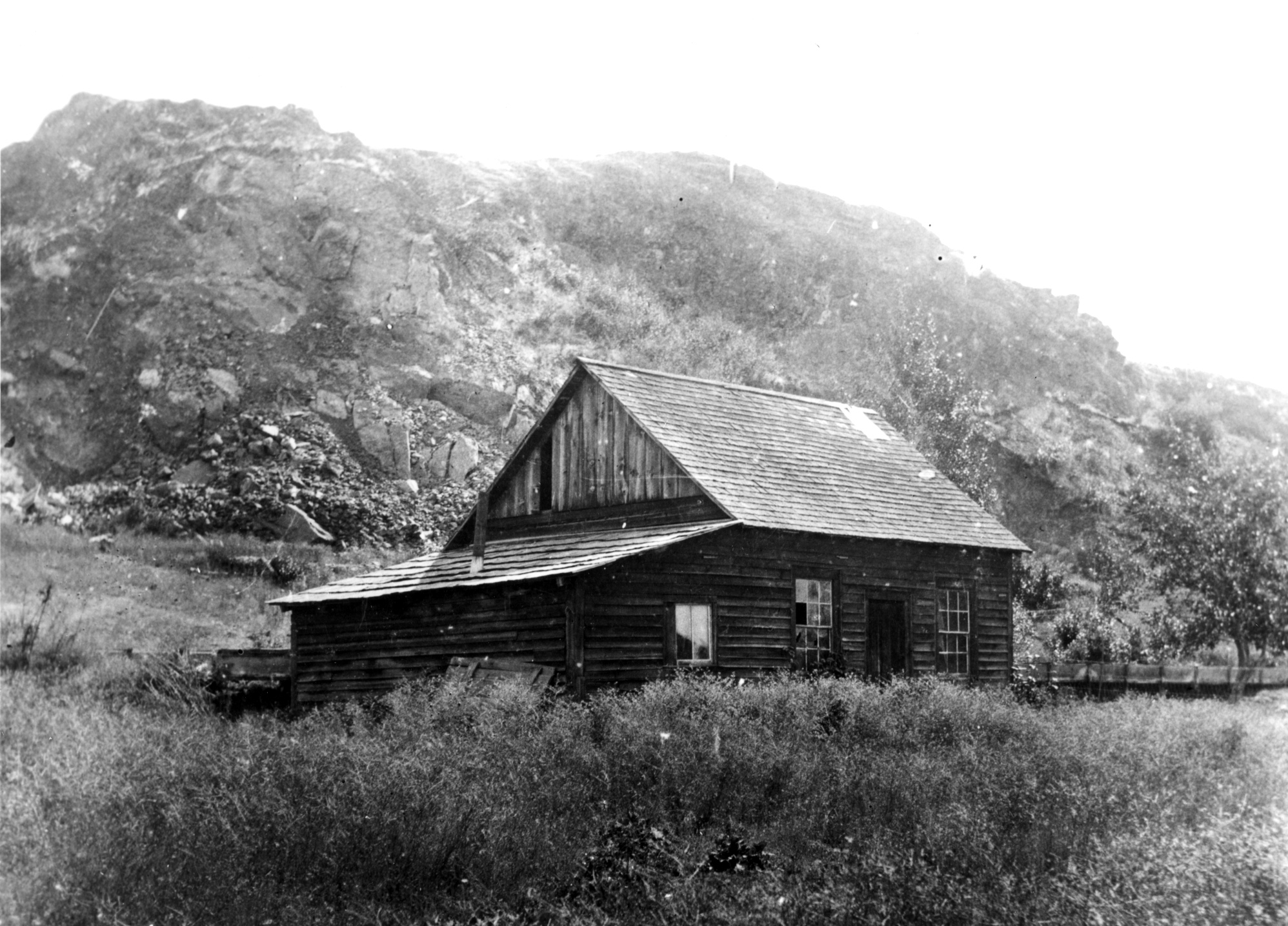
Vernon’s first post office opened in 1884. Luc Girouard served as postmaster and ran the office out of his cabin. Local anecdotes suggest that Girouard sorted mail by tossing letters into the four corners of the room depending on whether they were bound north, south, east, or west.
Girouard resigned from his role as postmaster in 1891 and was succeeded by Robert McDougal. That same year, the post office left Girouard’s cabin for a new building on 31st Avenue, complete with a stable, an essential feature when early mail delivery relied heavily on horses.

Also in 1891, postal inspector E. H. Fletcher visited Vernon amid growing calls for more frequent mail service. Plans were laid to expand delivery to daily runs between Vernon and Enderby, twice-weekly service to Lansdowne and the Mission, and twice-monthly delivery to the South Okanagan by steamer and horseback. All of these improvements, however, hinged on the completion of the Shuswap & Okanagan (S&O) Railway.
The post office introduced money order services that year as well, but many of the larger improvements only became possible in 1892, when the S&O Railway was finally completed. With rail service in place, Vernon shifted into the role of the valley’s main distribution point, replacing Sicamous. Still, the transition came with challenges: communities beyond the Vernon–Enderby corridor continued to experience delays, and by November residents were reporting missing issues of London Illustrated and other mail-order publications. These early frustrations gradually eased as the new railway line settled into regular operation.
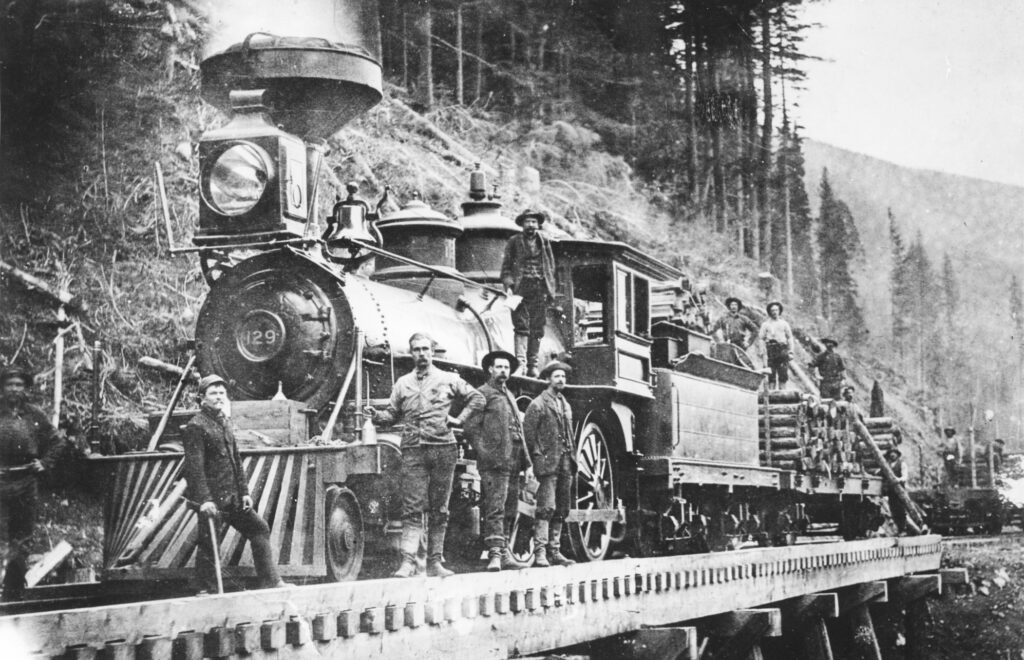
By 1893, the Vernon Post Office was a busy hub; on one day alone, it received a mail sack containing 2,000 letters. In just a few years, the community had gone from sorting mail in the corners of a cabin to managing distribution for much of the Okanagan—a rapid transformation that reflected both local growth and the expanding transportation network.
Archives Manager, Gwyneth Evans