
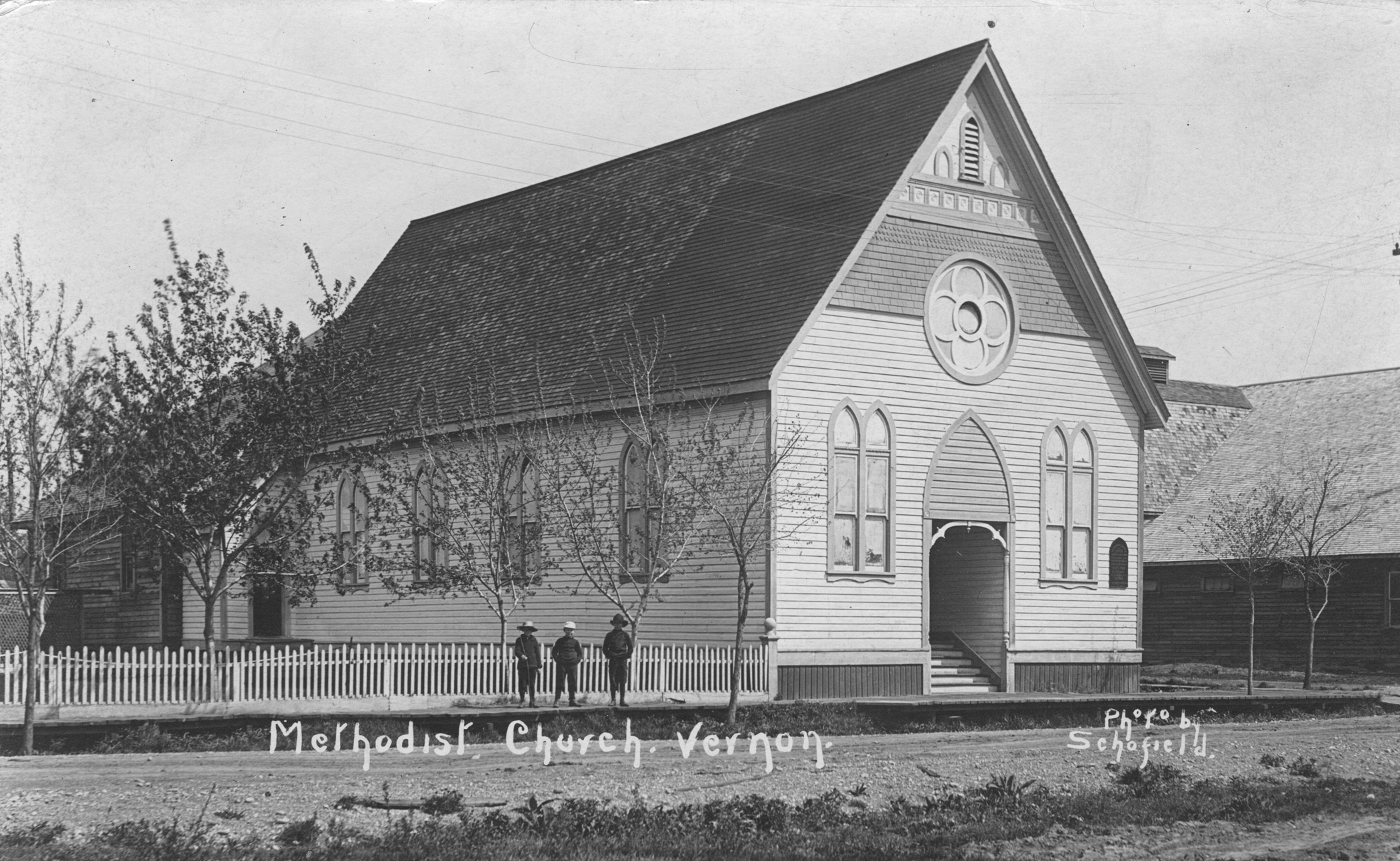
The right to vote has not always been equally accessible. In Vernon, the fight for female suffrage began in 1909, with local advocates working to ensure that members of the community could have a voice in decisions affecting their lives.
The first meeting on the topic was held on October 21, 1909, at the local Methodist Church by the Vernon branch of the Women’s Christian Temperance Union (WCTU). A week later, the Vernon News reported on the gathering with a tone that combined admiration and mild condescension: “Being the first meeting of its kind in this city, the ladies no doubt feel justifiably proud of the headway they secured, for they certainly had it all their own way on this occasion.” The newspaper also noted that even “the most passive registers to their cause … went away feeling that there was something in it after all.”
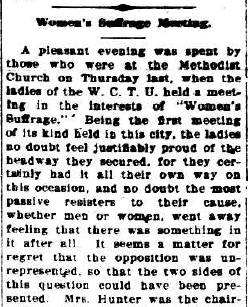
The WCTU, best known for their anti-alcohol stance, also addressed domestic violence and women’s legal vulnerabilities, and was an early advocate for female suffrage—a cornerstone of what later became known as First-Wave Feminism. The program of the 1909 meeting reflected these priorities, featuring musical entertainment and readings of essays on female suffrage by local students Esther Thompson and Gertrude Stainton. Both essays were praised, though Gertrude received the top prize of $5.00, while Esther was awarded $2.50.
Mrs. Hunter, chair of the meeting, then presented several compelling arguments in favor of suffrage, with local Methodist Reverend Osterhout adding his support. While the newspaper gave more coverage to Osterhout’s remarks—a reflection of the era—he encouraged attendees to continue their advocacy thoughtfully and persistently, saying: “Like all necessary reforms, it will take time for people to wake up to the necessity of it,” and urging Vernon’s women to “be patient, but to keep on agitating on reasonable lines, and to put their cause before the people whenever they had an opportunity.”

While these early efforts advanced voting rights for white, middle-class women, many others were left behind. Indigenous, Asian, Black, and immigrant communities in Canada faced continued legal and social barriers to voting. White women in Canada gained the federal right to vote in 1917, but full suffrage for Indigenous Peoples and several ethnic communities in British Columbia was not achieved until 1949, with the Doukhobors being the last religious community granted the vote in 1952.
To learn more about the history of female suffrage and the ongoing efforts to ensure equal participation in civic life for all genders, the public is invited to visit the Vernon Museum’s new feature exhibit, “Votes, Voices, Victory! The Lasting Legacy of Women’s Suffrage in the Okanagan,” opening September 25, 2025. An opening reception will be held the same evening from 7 to 10 p.m. Tickets are available here.
Archives Manager, Gwyneth Evans