March 14, 2026
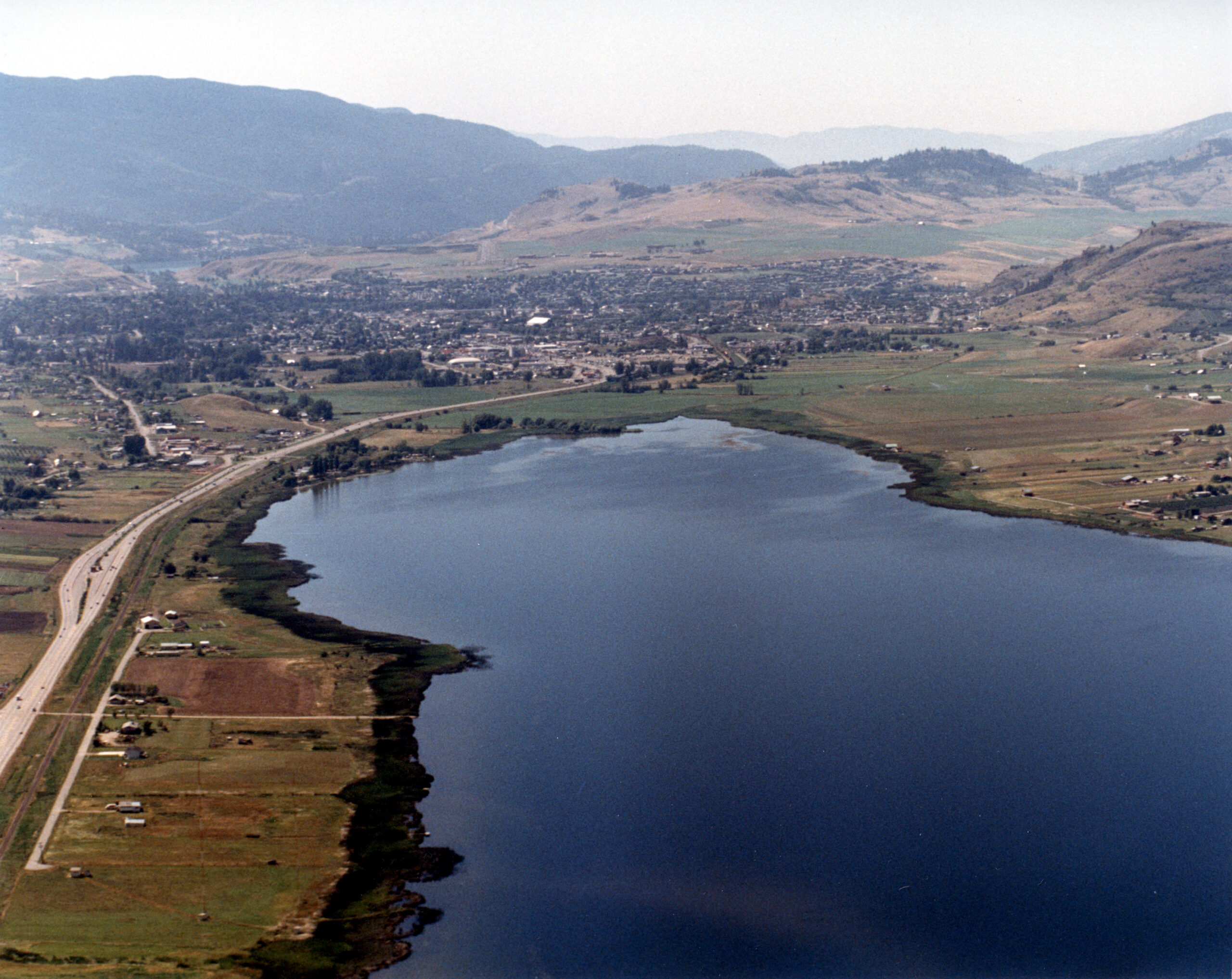
Community efforts to preserve Swan Lake as an important habitat for waterfowl and other animals have a long history. The lake’s significance for migratory birds has been recognized for well over a century. As early as the 1880s, the lake received its non-Indigenous name because of the large numbers of swans nesting along its shores.
Calls to formally protect the area followed in the early twentieth century. In a May 4, 1922 editorial in the Vernon News, James A. Munro, Chief Federal Migratory Bird Officer and a contemporary of Major Allan Brooks—both of whom had lived at Okanagan Landing—advocated for the creation of a bird sanctuary at Swan Lake.
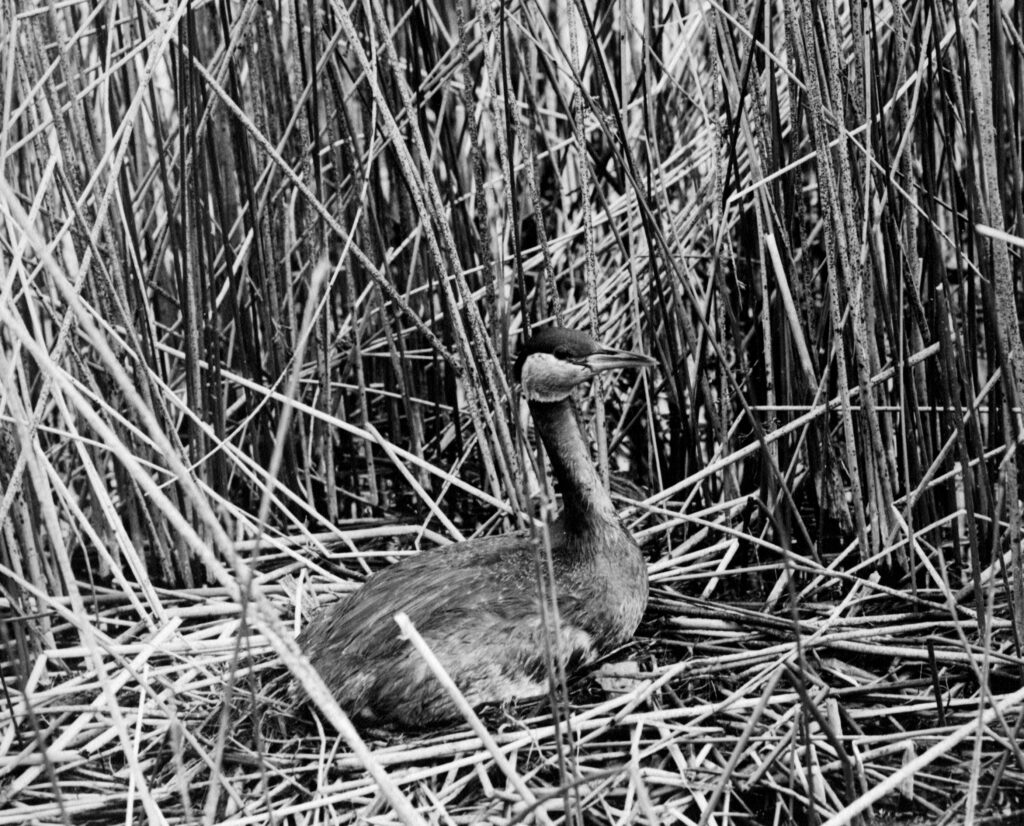
At the time, Swan Lake and its surrounding marsh were considered more prolific in bird life than any other lake of comparable size in the Okanagan Valley. The wetlands provided habitat for marsh wrens, black terns, coots, redheads, ruddy ducks, swallows, red-winged and yellow-headed blackbirds, kingbirds, flycatchers, and grebes. The marsh also supported a wide variety of other wildlife, including fish, mammals, amphibians, and rodents.
Munro was particularly critical of earlier proposals—though the editorial does not specify by whom—to drain the lake. Writing in the Vernon News, he expressed hope that “such an exceptionally attractive breeding-ground for water-fowl will be left in their undisturbed possession for all time to come.” It would take another 83 years for that vision to begin to take shape.
In 2005, Ducks Unlimited Canada, a national not-for-profit organization dedicated to conserving, restoring, and managing wetlands and associated habitats, purchased 123 acres at the south end of Swan Lake from the Anderson family. The Anderson family has deep roots in the area. Pioneer fur trader Peter L. Anderson pre-empted land in what is now Vernon in the 1880s, and his son George later established a ranch that eventually covered about 5,000 acres.
In 2010, the Regional District of the North Okanagan (RDNO) entered into a 99-year lease with Ducks Unlimited Canada to manage and operate the property. Additional conservation steps followed in 2023, when the RDNO purchased lakefront property on the east side of Swan Lake, further strengthening the area’s status as a protected nature reserve.
Throughout this time, the North Okanagan Naturalist Club (NONC) has played an important stewardship role within the reserve. The organization has led several projects to improve habitat for wildlife while enhancing the experience for visitors. These efforts include the installation of a viewing tower in 2021, the creation of an osprey nesting platform in 2022, and the ongoing planting of native species, often in collaboration with the Okanagan Similkameen Stewardship Society.
As spring progresses in the coming weeks and months, Swan Lake will welcome many migratory birds and other wildlife, including several species at risk. More than a century after Munro’s call for protection, the lake remains an important refuge thanks to the efforts of Ducks Unlimited Canada, the RDNO, and generations of local naturalists.
Archives Manager, Gwyneth Evans