
September 25, 2026
What do David, Mary, Dorothy, and Olivia have in common? They have all been popular first names in Canada—and all belong to people represented in the collections of the Vernon Archives.
Trends in first-name popularity can offer a glimpse into the social and cultural changes taking place around us. Names reflect traditions, immigration, literature, popular culture, and changing tastes. By looking at popular names over time, and then at some of the Vernon people who shared them, we can see how national trends intersect with local history.
In the 1890s, the most popular names in Canada reflected Victorian naming traditions and leaned heavily toward biblical and royal names. John, William, James, Charles, Mary, Elizabeth, Ruth, and Florence were all popular choices.
These names were not simply popular on paper. In 1892, the year Vernon was incorporated, brothers George, William, and John Hutcheson arrived by train with a carload of heavy horses, considered the finest the community had ever seen, including a “general purpose” stallion. The horses were sold locally, with any remaining eventually taken to the coast.
By the 1920s, many traditional names remained popular, although new favourites had begun to emerge. Betty, once considered simply a nickname for Elizabeth, became increasingly popular, alongside Helen, Roy, Dorothy, and Donald. The popularity of “D” names was particularly notable. Dorothy’s rise may even have been influenced by popular culture: L. Frank Baum’s The Wonderful Wizard of Oz, featuring the now-famous Dorothy, was published in 1900 and remained widely popular in the decades that followed.
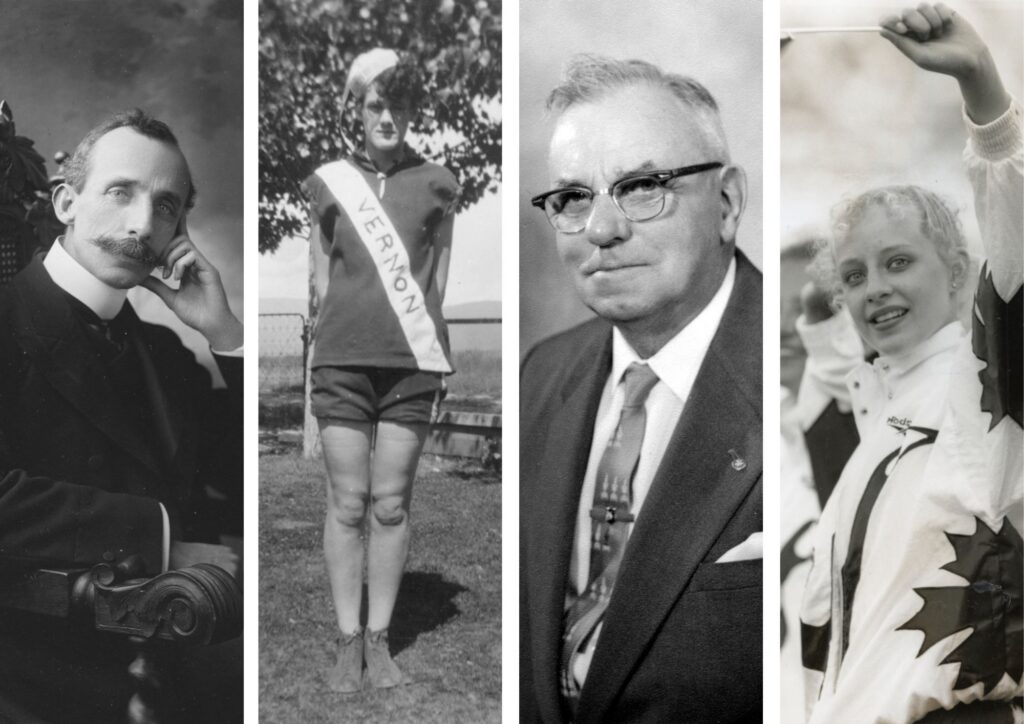
David was another enduring favourite. In Vernon, one notable David was Vancouver lumberman David McNair, who built a distinctive home on Pleasant Valley Road, now recognized as a heritage property. In 1925, McNair was appointed General Sales Manager of Canadian Fruit Distributors Limited.
By the 1960s, David remained the most popular boys’ name in Canada, while Mary continued to top the charts for girls. Mary Neilson, an immigrant from Scotland who came to Vernon in 1939, was named Vernon’s Good Citizen in 1960 for her years of mending sweaters and darning socks for young hockey players. At the same time, Canada—and Vernon—was becoming increasingly diverse as a result of post-Second World War immigration, and names like Ingrid, Hiroshi, and Lars added to the growing variety of names found in the community..
By the 1990s, long-standing favourites were beginning to give way to newer naming trends. French-Canadian names such as Samuel, Gabrielle, and Nicolas also gained prominence. Vernon’s Camille Martens represented Canada at numerous sporting events during this period, including the 1994 Commonwealth Games and the 1996 Olympic Games.
From the 2000s into the 2020s, naming trends shifted again. Softer-sounding names such as Olivia, Liam, and Noah became increasingly popular, while unexpected choices such as Maverick also rose in popularity. Local singer Olivia Penalva is one example of a young person carrying a name that has become a favourite in recent years.
A name may seem like a small detail, but names can connect individual lives to much larger stories. From biblical and royal traditions to immigration, literature, and changing cultural tastes, the names found in our collections offer another way of looking at how Vernon—and Canada—has changed over time.
Archives Manager, Gwyneth Evans