
May 2, 2026
It’s easy to assume that place names come from official sources—surveyors, councils, or maps—but many develop through everyday use. Over time, these informal names can stick, becoming part of how people refer to a place long after the original context is gone. In rural areas especially, practical descriptions often became the most useful way to identify a location, and those descriptions could last for decades.
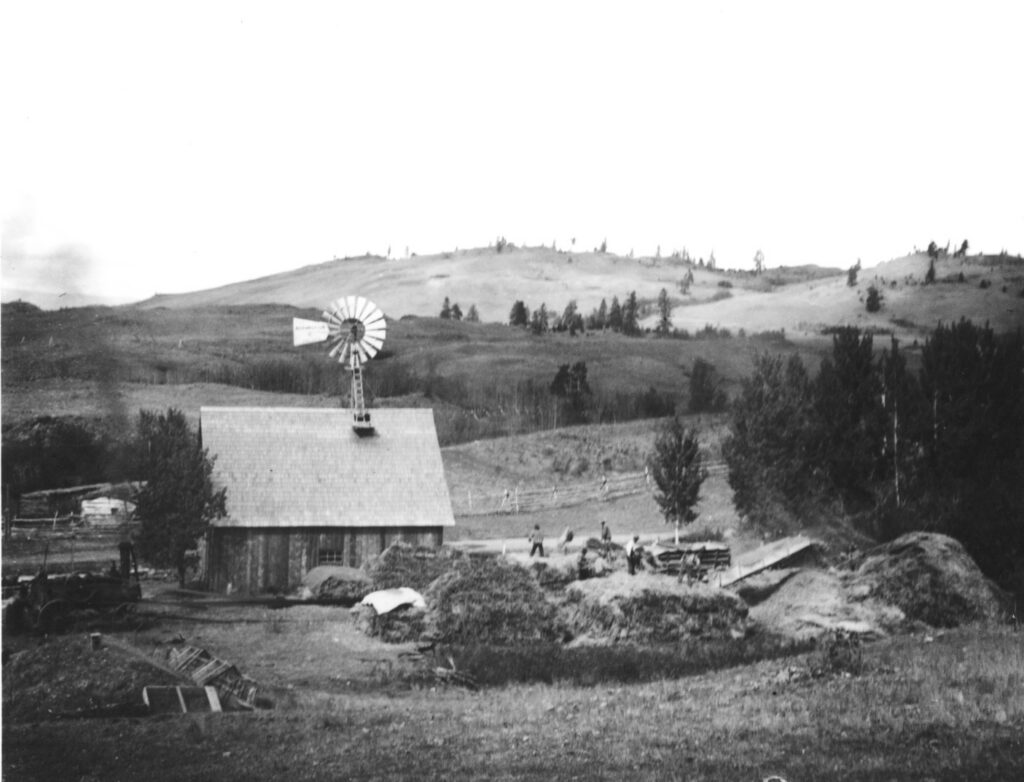
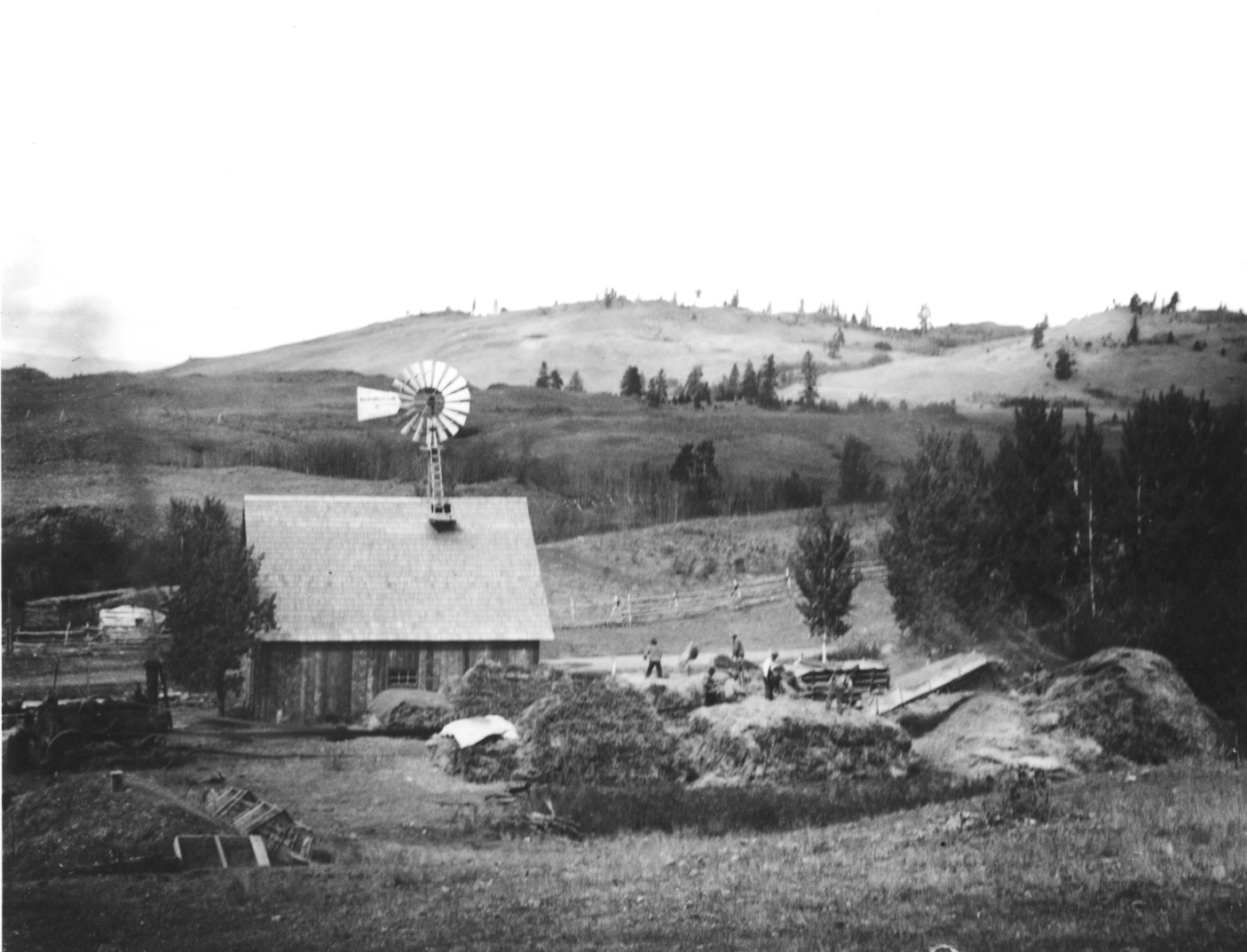
One example comes from a property along Commonage Road, owned by Hartley Johnson. In Dr. D. John Price’s A History of the Okanagan Commonage, the Johnson barn is described as having a windmill attached to it. The structure would have served a practical purpose, such as grinding grain for livestock. However, it also made the property easy to identify from a distance. As a result, people began referring to it simply as “Windmill Johnson’s.” The name was never formal, but it was clear, specific, and widely understood.
Hartley Johnson’s background reflects a pattern that was not unusual for the time, though it stands out when viewed together. He arrived in Vernon from Scotland around 1905, when he was nearly thirty. Before settling in Canada, his family had lived in India and South Africa, reflecting the mobility of some British families during that period. His father, Francis Johnson, worked as a civil engineer and spent long periods overseas. He died abroad in 1934, and Hartley’s mother, Jessie, died a few years later.
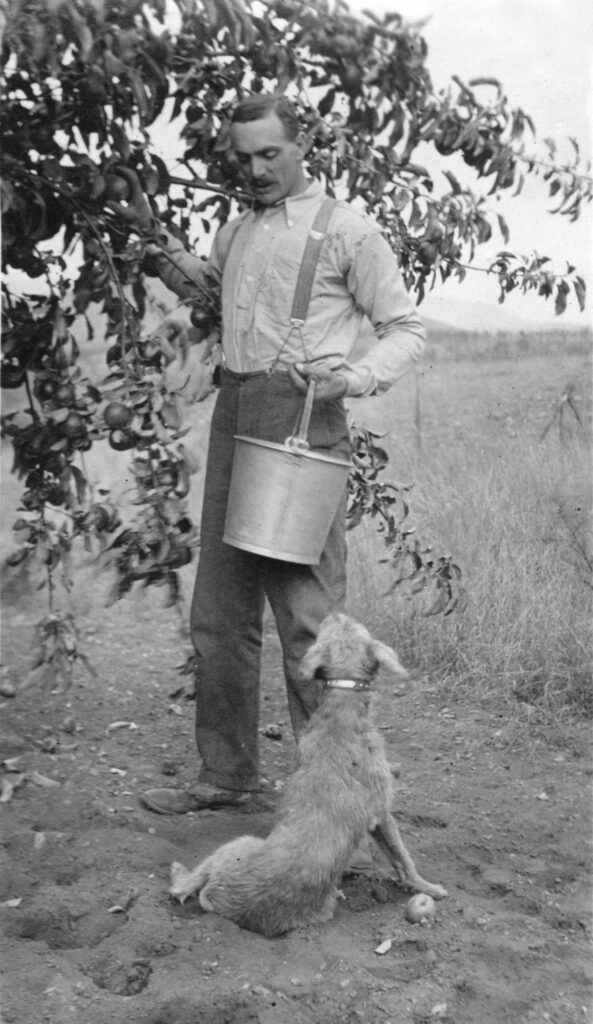
Following their deaths, Hartley took over the family ranch. The property supported a mix of activities, including dairy cattle, fruit growing, chickens, and grain production—typical of mixed farming in the area at the time. He did not marry, but he was not living alone. His sister Gladys Johnson remained with him, and the two managed the ranch together. Their household arrangement reflects a practical approach to maintaining both the property and family ties, something that appears in many rural accounts of the early twentieth century, including works like Anne of Green Gables.
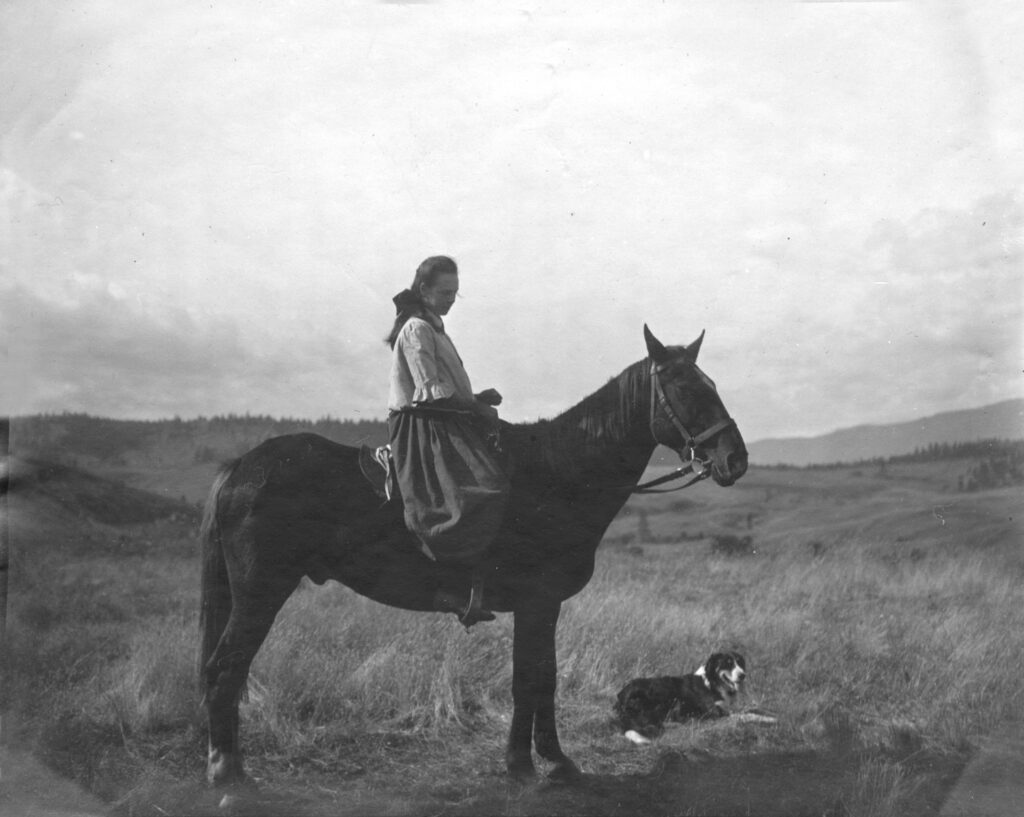
Gladys died on April 12, 1961, and Hartley followed on April 29 of the same year. They also had a sister, Elizabeth Johnson, who remained in Scotland.
The name “Windmill Johnson’s” is a small detail, but it shows how places were often identified in practice. Even without formal recognition, these kinds of names can persist, offering a straightforward record of how people once described and understood their surroundings.
Archives Manager, Gwyneth Evans